“When will you learn to put your things in place?”
“How many times have I told you to pack your school bag the night before?”
“Please remember to make conversation with your relatives at the party”
Do these reprimands sound familiar? Are these some of the habits you struggle to instill in your children?
Most parents would like their children to be self-disciplined and responsible individuals. They would also like to inculcate problem solving and social skills in them to ensure that their children are well-adjusted in society. Discipline is an important skill that brings stability and structure to living. In their pursuit to teach it to children, some parents end up resorting to punitive measures. Punishment may work in the short term but can have negative results like loss of self-esteem and resentment in the long term. Other parents feel that good parenting means mollycoddling and shielding their children from disappointment. Yet, disappointment is a part of life and overprotection can lead to a sense of entitlement in children. Neither strategy is effective in achieving the goal of raising a self-reliant individual. How can parents find this balance that makes children self-disciplined?

The Positive Discipline Approach
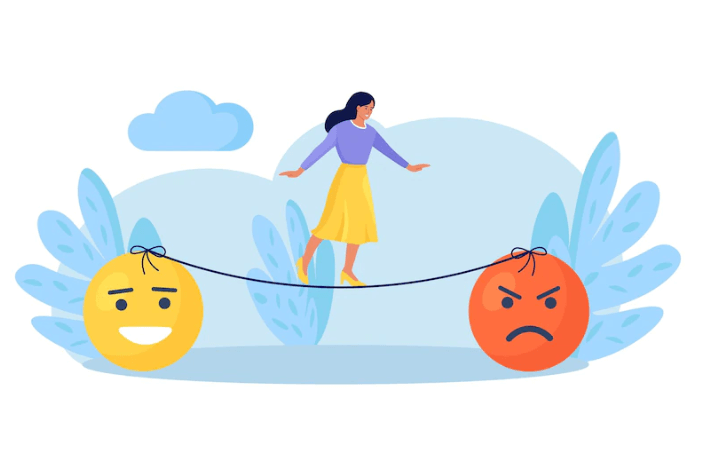
The good news is that effective parenting is like any other skill, and it can be developed with patience and practice. One such approach that can help parents raise their children to be independent is “Positive Discipline”. This approach is based on the principles laid down by acclaimed psychiatrists, Alfred Adler and Rudolph Dreikurs. The “Positive Discipline” approach helps parents tread a middle path which encourages kindness and firmness.
Tools of Positive Discipline
Some popular tools of “Positive Discipline” are mutual respect, identifying the belief behind behaviour, using encouragement effectively, curiosity questions, and focusing on solutions.
For instance, several parents may find it difficult to get their children to follow simple routines like packing their school bag the night before. A helpful way to achieve this goal is to make the child a part of creating this routine by using positive discipline methods. The parents can get a chart and sit down with the child. Ask the child questions like what all they need to do to pack their bag for the next day. The first step could be to unpack the previous day’s bag. The next step could be to check the timetable and so on. The parent can then make a note of these points on the chart paper or even paste pictures of the various steps. The chart can then be displayed, as a reminder, in the room.
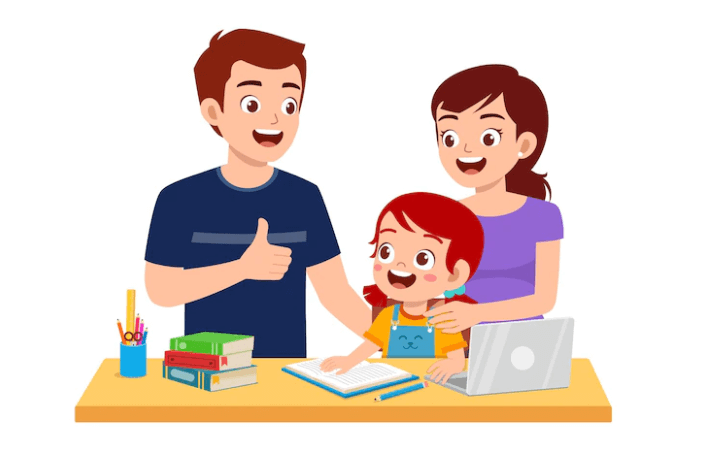
To feel a sense of significance and belonging, children must be provided with opportunities to deal with situations. This helps them develop faith in their own capabilities.
In my upcoming articles, I will discuss some of these tools of “Positive Discipline” in greater detail. Share your concerns or challenges as parents in the comments below. Watch this space for more articles on this topic.
Image Source: Canva
The path of positive discipline can help our children develop into well adjusted & self reliant individuals.
It can also lead to stress free & enjoyable parenting
great going,Alka….l didn’t face any issue with my elder one as regards your example…but the younger one opened up a whole new experience in our parenting style…so we unlearned and re-learned….but,l enjoy your write ups a lot…..