Happy Doctor’s Day!
Tomorrow is Doctor’s Day. So I want to take this opportunity to talk about an essential but oft ignored aspect of health and wellbeing: sleep.
I am sure each one of us has at some time or the other not been able to have a good night’s sleep. How do we feel the next day? Many of us would feel tired, drowsy, lethargic and irritable. It may even lead to outbursts and fights with others.
In a world where we sacrifice sleep for everything, it is essential that we realize the importance of sleep.
What is Sleep?
Sleep is a biological need that is basic to human functioning. It provides rest and helps to renew the body’s energy. “It is a state of rest, that passes through various stages. Sleep is a period during which the brain is engaged in a number of activities necessary to life—which are closely linked to the quality of life,” says Johns Hopkins sleep expert and neurologist Mark Wu.
Sleep is regulated by the circadian rhythm and sleep drive. Circadian rhythm and sleep drive determine the timing of sleep and the need for sleep, respectively. There are many things which can influence our need to sleep or to stay awake. These may include our medical conditions, medications and stress levels. In addition, our diet, habits and environment for sleep may also affect this need. For instance, we feel sleepy after eating a heavy meal. On the other hand, exposure to bright light may make it difficult to fall asleep.
How sleep affects the body
Sleep affects the functioning of various tissues and systems of the body, including the brain, immune system and metabolism. Sleep is vital for the brain’s ability to adapt to inputs. It also plays a role in learning and memory. Sleep helps to consolidate newly acquired information.
Lack of adequate good sleep may increase the risk of depression, high blood pressure, cardiovascular disease, diabetes, and obesity and may affect the immune system. This may make us more susceptible to infections and other illnesses. This becomes even more significant during the pandemic.
Sleep deprivation also results in significant impairments in cognitive and motor performance which increase the risk of motor vehicle crashes and work-related injuries and fatal accidents. (Luyster et al., 2012).
Sleep is also important for psychological wellbeing as it has an impact on the way we interpret events. People who are optimal sleepers show higher personal growth and self-acceptance. They also report more positive relationships. Deprivation can make us moody and affect our decision-making skills. At times we stay awake thinking that we will get more done by sleeping less. However, research shows that sleep deprivation or sleepiness in the daytime reduces productivity.
Getting a good night’s sleep
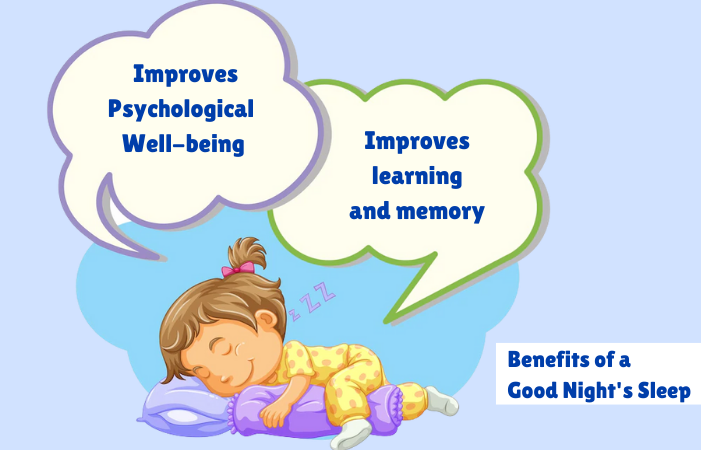
A good night’s sleep refreshes us and helps to begin the day on a positive note. Here are some tips to help with better sleep.
- A consistent daily schedule for going to bed and waking up at a set time is beneficial.
- Caffeine, nicotine and alcoholic drinks should be avoided before going to bed.
- Exercise promotes better sleep. However, avoid exercise too close to bedtime as this may be stimulating.
- Bed time ritual- We need to get our body and mind ready for sleep. A relaxing bedtime ritual like taking a warm bath, listening to calming music, deep breathing or reading a book prepares the body and mind for sleep time. I like listening to soothing music before I sleep.
- Create the environment for sleep. Avoid bright lights, loud sounds and watching the screen before you sleep. Keep the temperature of the room comfortable.
- Consult your doctor if you have difficulty sleeping or feel unusually tired during the

Hope you will find these tips useful. Do share with us the things which help you to have a good night’s sleep
You have reinforced our thinking about the importance of a good night’s sleep and the factors that help in getting a good sleep at night.Great research and very interesting topic.
Very true, good sleep improves our brain performance, mood, and health. Thank you so much ma’am for sharing such a relevant article.